推動改變的力量,以永恆價值為指引
世界童軍委員會主席談童軍運動在變動世界中的重要性
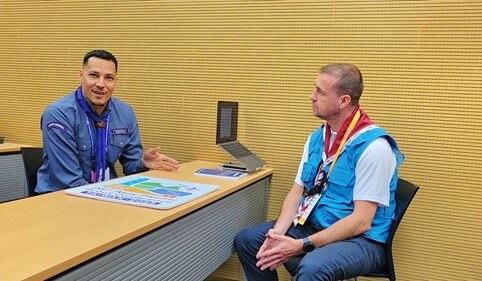
在第28屆亞太童軍領袖會議為期一週的合作與交流期間,我們訪問了世界童軍委員會主席丹尼爾・寇森,了解童軍運動的最新發展以及他對未來的期望。自2024年起擔任主席的寇森形容高雄為「一座充滿活力與色彩的城市,對永續與創新有著堅定的承諾」,他認為這樣的城市正是引領亞太童軍邁向新篇章的理想舞台。
永恆的使命
寇森回顧童軍運動持久的理念,並形容其使命為「永恆不變」。
他說:「人的尊嚴、服務與和平的價值觀依然重要。我們的使命是讓年輕人具備在世界中茁壯成長的技能與工具,並運用這些工具造福社會。」
他指出,雖然世界正以前所未有的速度變化,童軍的核心宗旨始終如一──培育具備同理心與誠信的領袖。
寇森補充說:「童軍運動以非正式教育與價值為基礎,使其能夠靈活適應不同時代。這些價值將永遠不會消失。」
賦能下一代領袖
他表示,培養青年的能力與領導力是童軍策略方向的核心。
寇森指出:「亞太地區擁有極年輕的人口結構,我們有難得的機會讓更多年輕人發展領導能力,並在國家、社區乃至區域與全球層級中承擔領導角色。」
對寇森而言,亞太地區展現了將塑造童軍未來百年的創造力與活力。他認為真正的「賦能」意味著信任青年、賦予責任,並培養他們主動行動的自信。
以價值為本的創新
談到現代世界的挑戰時,寇森強調童軍需要創新,但不能失去本質。
他說:「世界變化的速度驚人,童軍必須與時俱進才能保持相關性。當我們思考人工智慧、新興科技、機器人以及氣候變遷時,就必須讓年輕人不只是生存,而是能在這樣的世界中茁壯。」
他將童軍視為一個以價值為基礎的創新運動,讓年輕人學習以負責任且合乎倫理的方式運用新科技。針對人工智慧等技術,他表示:「我立刻想到童軍如何能幫助青年學習以最符合倫理的方式使用這些工具,並運用於造福人類與社會。」
寇森進一步指出,科技應擴展童軍的影響力,而非掩蓋其人本核心。他說,這是要「在數位轉型的浪潮中前行,同時忠於童軍運動的核心宗旨」。
以實證與經驗為師
寇森強調,透過數據與合作評估童軍的影響力至關重要。
他說:「有些組織已建立完善的數位系統來登錄會員,現在正進入下一階段——如何運用或擴充這些系統,以追蹤青年的成長與發展。我們曾比較過有童軍經驗者與無童軍經驗者之間的差異,初步結果令人鼓舞,我認為這方面還有很大的發展空間。」
他透露,世界童軍事務局正在建立研究網絡,推動合作出版學術研究,希望亞太區的各國童軍組織能加入,進一步深化對童軍教育、社會與環境影響的了解。
激勵人心的地區
寇森對亞太地區在全球童軍運動中展現的能量與領導力深表敬佩。
他說:「亞太是全球最大的區域,但即使如此,你仍能感受到它擁有無限潛力。儘管多元性是這裡的特徵,但大家仍能找到團結、合作與創新的方式。我希望這個地區能繼續發揮榜樣的作用,啟發全球童軍運動。」
推動改變的力量
寇森以樂觀的態度總結,強調童軍運動具備推動社會轉變的力量。他承認本區的文化脈絡複雜,但同時指出童軍可成為推動進步的催化劑。「我了解各地的文化現實,但我也相信童軍是一股推動改變的力量,」他說。童軍能挑戰傳統階層,幫助社會探索更具包容性的領導形式。然而,他也提醒,所有改變都必須以童軍運動永恆的理想為根基。
A Force for Change, Guided by Timeless Values: Daniël Corsen on Scouting’s Relevance in a Changing World
Amid a week of collaboration and exchange at the 28th Asia-Pacific Scout Conference, we met with World Scout Committee Chairperson Daniël Corsen to learn more about the latest developments in Scouting and his hopes for the future. Corsen, who has served as Chair since 2024, described Kaohsiung as “a vibrant city, full of life, full of color, and with a strong commitment to sustainability and innovation,” which he feels is a fitting backdrop for a Conference devoted to shaping the region’s next chapter.
A Timeless Mission
Reflecting on Scouting’s enduring philosophy, Corsen described its mission as timeless.
“The values of human dignity, service, and peace are as important as ever,” he said. “Our role is to equip young people with the skills and the tools they need to thrive, and to use those tools for the good of society.”
He observed that although the world is evolving at unprecedented speed, Scouting’s purpose endures: to nurture leaders who act with compassion and integrity.
“Being non-formal and value-based makes the movement adaptable,” Corsen added. “Those values are never going to disappear.”
Empowering the Next Generation of Leaders
Youth empowerment, he explained, lies at the heart of Scouting’s strategic direction.
“This is a region with a very young population,” Corsen noted. “We have the unique opportunity to continue providing opportunities for young people to develop their leadership skills, but to also step up and take on leadership roles within their national organizations, their communities, and certainly also within our regional and global structures.”
For Corsen, the Asia-Pacific Region exemplifies the creativity and vitality that will shape Scouting’s next century. Empowerment, he reflected, means entrusting young members with genuine responsibility and giving them the confidence to act.
Safeguarding: Building a Culture of Trust
Corsen was equally clear that empowerment must rest on safety and trust.
“Whatever we do with Scouts everywhere in the world, we need to be able to ensure parents, young people, adults, that they are in a safe space,” he said.
He spoke passionately about Safe from Harm, noting that safeguarding has been adopted into World Scouting’s constitution and makes compliance a requirement for all National Scout Organizations. World Scouting supports efforts to strengthen safeguarding through the implementation of training, policies, and accountability measures.
Corsen also stressed that safeguarding includes the active participation of the youth themselves.
“If we really want to create safe spaces for young people, we must also ensure they have access to meaningful educational experiences that help them understand safeguarding. We should equip them with the knowledge and confidence to engage in and contribute to safe environments. Bringing a youth lens to safeguarding means involving young people as informed and empowered participants in the process.”
Values-based Innovation
Turning to the challenges of the modern world, Corsen highlighted the need for Scouting to innovate without losing its identity.
“The world is changing at an incredibly rapid pace, and Scouts need to develop to remain relevant. When you think nowadays about AI, other technologies that are up and coming, robotics but also climate change—we need to prepare young people to be able to not just survive but also thrive in that world.”
He envisions Scouting as a movement of values-based innovation, where young people learn to use emerging technologies responsibly and ethically. Regarding new technologies such as AI he stated:
“I immediately think about how Scouting can help educate young people on using these tools in the most ethical way possible, or how to use it for the good of society, for the benefit of humanity and the benefit of society.”
Learning from Evidence and Experience
Corsen also underscored the importance of assessing Scouting’s impact through data and collaboration.
“You have some organizations with impressive digital systems to register members. We are now going to the next level, which is how do we use or expand those systems to follow the progress of our young people in their development,” he explained. “We’ve had some experiences where we measure Scouting’s impact between people who are Scouts versus people who have not had a Scouting experience. I think we can do much more in that area.”
He revealed that the World Scouting is establishing a network of researchers that will serve as a platform to exchange ideas, build partnerships, and co-develop research, which he hopes will include Asia-Pacific NSOs and strengthen the understanding of Scouting’s educational, social, and environmental impact.
An Inspiring Region
Looking across the Asia-Pacific, Corsen expressed deep admiration for its energy and leadership within the global movement.
“This is the largest region we have in the world. But even when you’re here, you still feel like there’s so much potential to make it even bigger,” he said. “Even though diversity is a given, you still figure out ways to stay united, to collaborate, and to innovate. And my hope is that this region also sees that being the bigger brother or sister, or however you may call it, it also has a role to inspire the rest of the movement.”
A Force for Change
Corsen concluded on an optimistic note about Scouting’s transformative power. He acknowledged the cultural complexities of the region but emphasized that Scouting can serve as a catalyst for progress. “I understand the cultural realities, but I also see Scouting as a force for change,” he stated, adding that it can challenge traditional hierarchies and help societies explore more inclusive forms of leadership. However, he reminded that such change must remain rooted in Scouting’s enduring ideals.